
Are you wondering how to make time go faster at work, eh? It is, after all, an art form, and we all have our distinct ways of it. That’s because there are days when we’re simply counting the minutes until we can leave.
Everything seems to be moving at a snail’s pace, and we can’t take it any longer! It just seems like the hands on the clock tick by a little slower no matter how much we have to do or if we have nothing to do at all. People in this world are only considered successful if they understand how to manage time effectively. In a working environment, there is sufficient time to use it productively and efficiently.
Occasionally, the required working hours may be more significant than expected. The real question is how to speed up the clock at work. Boredom at the office desk is not incredible because it causes stress from feeling useless or stagnant and destroys a person’s image among coworkers.
For this blog, we’ll concentrate on what you can do at work to advance your career. We have prepared a whole list of tricks that are proven to work. So read on to learn how to make time go faster at work.
Understanding Time Perception
Have you ever noticed how some workdays seem to crawl by, while others are over before you know it? This isn’t just your imagination—our perception of time is deeply influenced by how we spend our attention and energy throughout the day. When you’re fully immersed in the present moment, tackling tasks that engage your mind, time can seem to fly. On the other hand, when you’re stuck with boring tasks or find yourself clock watching, the hours can feel like they’re moving slower than ever.
The science behind this is fascinating. Our brains process time differently depending on our emotional state, level of focus, and work environment. When you’re completely immersed in a specific task—what psychologists call a “flow state”—you lose track of time because your attention is fully absorbed. This is why meaningful work engagement or even a challenging project can make time go faster at work. In contrast, when you’re disengaged or waiting for something to happen, your mind keeps checking the clock, making every minute feel longer.
So, how can you use this knowledge to make time go faster at work? Start by staying focused and minimizing distractions. Use time management tools like a to-do list to break your workload into smaller, more manageable tasks. This not only helps you stay organized but also gives you a sense of progress, which can make time fly. Try working in focused time blocks—techniques like the Pomodoro technique, where you work for 25 minutes and then take a short break, can help you achieve a flow state and avoid the drag of a slow day.
Practicing mindfulness is another powerful way to stay present and fully engaged, whether you’re working remotely or in the office. By bringing your attention back to the task at hand and letting go of negative feelings about time passing, you can improve your mental well-being and make the hours pass more quickly. Even if you’re not in your dream job, finding ways to fully engage with your everyday tasks can help you break free from the monotony and make time go faster.
Remember, time perception is highly personal and can be shaped by your habits and mindset. By focusing on the present moment, using effective time management strategies, and seeking out opportunities for deep work, you can transform your workday experience. Whether you’re tackling important tasks or just trying to get through a boring job, staying fully immersed and avoiding clock watching can help you make the most of your working hours—and maybe even enjoy them a little more.
Proven Tips to Make Time Go Faster at Work:
Here are a few tips for making time go faster at work or making time fly.
1. Try not to stare at the clock.
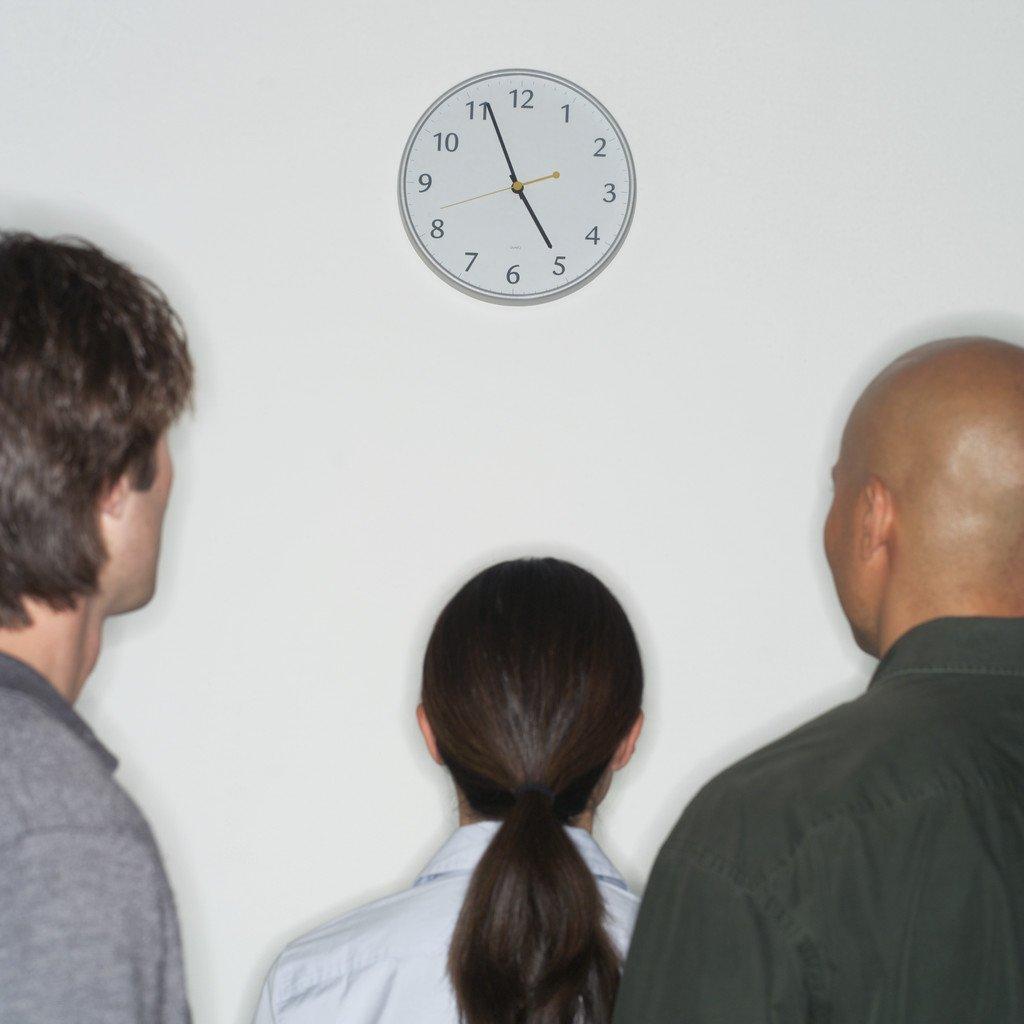
It’s difficult not to look at the clock when you want something to happen. Unfortunately, keeping an eye on the time is the worst thing you can do. Watching the second hand tick around the clock face will only make time seem to pass you by.
Instead of constantly checking notifications or personal messages, set a specific time frame during the day when you allow yourself to check them. Make it a rule that you won’t look at the clock during the day. You can use your mobile phone to set an alarm that will notify you when the awaited hour arrives, and be sure to mute your mobile phone or enable Do Not Disturb Mode to avoid distractions. Do not look at the clock until the alarm goes off. Put the clock in another room or face it toward the wall if necessary.
2. Chunk your total schedule into smaller blocks
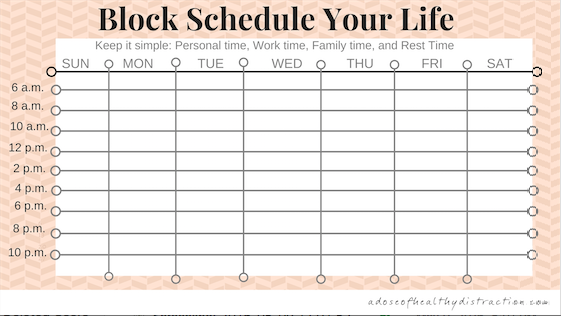
A day, an hour, or even a minute can drag on indefinitely. However, if you set aside short periods to focus, you can help speed up the passage of time. Using task batching—grouping similar activities together—can make these intervals even more efficient and help reduce boredom.
First, divide your time into five or ten-minute intervals. Then alternate between completely immersing yourself in the task at hand and working at a more leisurely pace. Starting with small tasks can help build momentum and make it easier to transition into focused work sessions. When you’re entirely focused on something, time flies by.
However, it can be not easy to maintain concentration for long periods, especially if the task isn’t particularly interesting or complex.
By dividing the hours into blocks, you can trick yourself into thinking time is passing faster since clear transitional stages of the workday are established. In addition, you feel more productive and engaged because your schedule is broken down into single-focus chunks that are easily measured.
3. Make a To-do List

Before you begin your work, try to have a clear picture of the day ahead. You may be overburdened with work or have nothing to do at other times.
However, planning your day will give you an idea of what your day will entail. Once you’ve scheduled your work, you’ll be able to see how much time you’ll need to complete it and when you’ll have free time during the day. This will eventually assist you in making plans to adjust your working hours. Be sure to include personal tasks in your schedule, especially during slower periods, to stay productive and reduce stress for larger ongoing projects.
For planning a day, so many planner apps are available that help you better manage your time so that you are not “overbooked,” and it’s also a great way to avoid frustrations. This simple workplace habit and time management tip helps you finish things on time. Identifying your first task of the day is important, as completing it sets the tone for productivity and helps you move seamlessly to the next items on your list.
If you are looking for a time planner app or software to make you more productive, then a Week plan is an excellent app to consider.
https://weekplan.net/work-planner
4. Meditate

The monotony of work we have to do over and over can be exhausting. Building on the previous point, interspersing your work with other activities can give you something to anticipate. Physical activity, exercise, and going outside are good ways to help you recharge while putting in long hours at the office. Taking a short walk during break time can refresh your mind and provide both physical and mental benefits.
In addition to making time go faster, this technique will help even a five-minute office workout or a breath of fresh air can help you rejuvenate by getting your blood flowing, providing more oxygen to your brain, and releasing endorphins for a brief period. Practicing mindfulness, such as focusing on your breath or doing a body scan, can also reduce stress and improve your perception of time.
This is especially beneficial for people who work or live in sedentary environments. Engaging in enjoyable activities during break time can boost positive emotions and make the workday feel shorter. It’s common knowledge that a lack of activity can lead to depression and lethargy, making it much more challenging to get through the tough times.
5. Schedule A Meeting

Meetings seem to have been invented specifically to help make the workday go by faster at times. Plan a meeting with your coworkers to discuss a recent project if you feel like your day needs to move a little faster. A team leader can facilitate collaborative efforts and encourage team engagement, making meetings more productive and enjoyable for everyone involved.
Working on manageable goals, discussing progress, and watching the time fly by is a great way to pass the time. You’ll almost certainly be the hero among your coworkers for making their days disappear.
6. Work harder; it’s the best trick

Working hard will keep you occupied and help you succeed at work. Always make sure you don’t put off work because it will stress you out and cause you to do nothing. Try tackling the least pleasant tasks first to avoid procrastination and waste time on non-productive activities.
“The more hard work you put in, the more productive you will be,” and the time goes faster that you don’t notice how long the working hours are. Alternating between pleasant tasks and more challenging ones can help maintain motivation and achieve flow throughout the day. You used not to have to stay after office hours if you worked harder throughout the day.
7. Have fun at the workplace

Another classic line is “Time flies when you’re having fun,” which is a powerful summary of our poor time-keeping skills and the importance of actively engaging in activities.
If you want your work to feel faster and your team to be more productive, you must take advantage of opportunities to have good fun.
When you’re doing work that doesn’t require a lot of focus or mental energy, audio can help the time pass more quickly. You can use background music to liven up your research if it’s uninteresting. Depending on what you’re doing, you could even play an episode of your favorite TV show in the background.
A few silly traditions, regular compliments, and a friendly laugh among coworkers can help to create a much more welcoming environment.
End Thoughts
There are many good ways to make work faster; these are just a few of our ideas. It’s sometimes just a matter of how much you want the day to end. Use these suggestions to revamp your day’s engine if you feel things are moving too slowly.
More Posts
Selecting the Best OKR Software for Business Success
For every business, it is essential to keep all employees in the same direction so that they can easily communicate company goals among all of them. One way to do that is manually....
30 Games & Activities to Enhance Time Management
When you hear the term ‘time management’, your heart races. Sweat beads on your forehead. You feel a crushing sense of urgency. Time’s running away, and you’re chasing after it! We’re here to...
7 Things to do Everyday for Success
Success is a universal ambition; however, its blueprint varies individually. A common denominator among successful people is a well-crafted daily routine tailored to their aspirations and lifestyle. When we peek behind the curtains...
10 Productivity Tips for Real Estate Agents
Real estate agents in the real estate industry must be highly productive, focusing on important activities, and applying practical real estate productivity tips to stay competitive. They should not just handle more listings...